The blog to accompany hanusa.xyz.
I’ve renewed my website for 2026, including a refreshed feel and an integrated blog. How did it happen and what can you expect from the update?
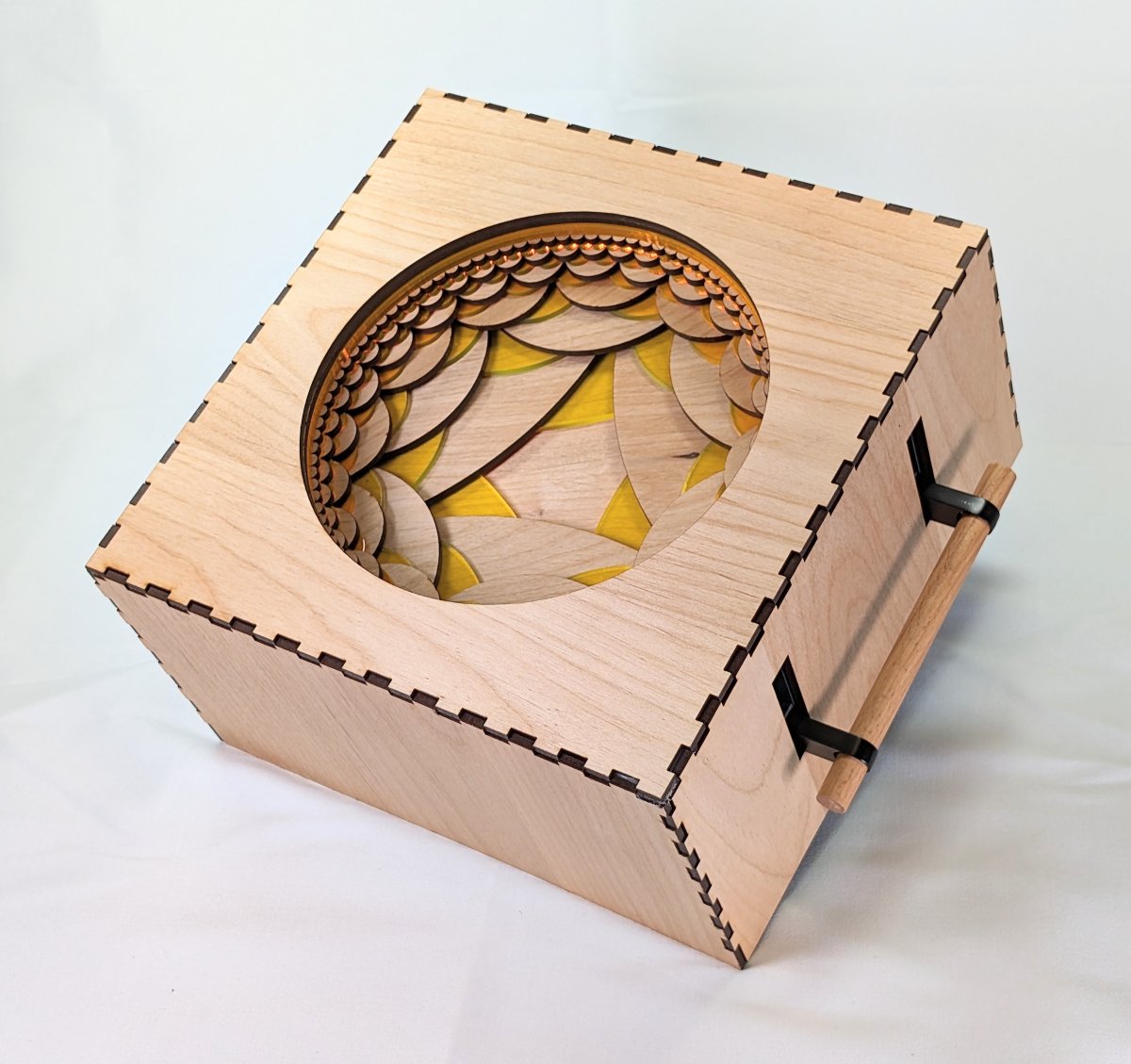
Hyperbolic Emergence in the Bridges 2024 art exhibition, a talk on Fractal Emergence, and Apollonian jewelry on the fashion show runway.
My talk on the Mathematical Design course in the math art minisymposium of the German Mathematical Society’s annual meeting.
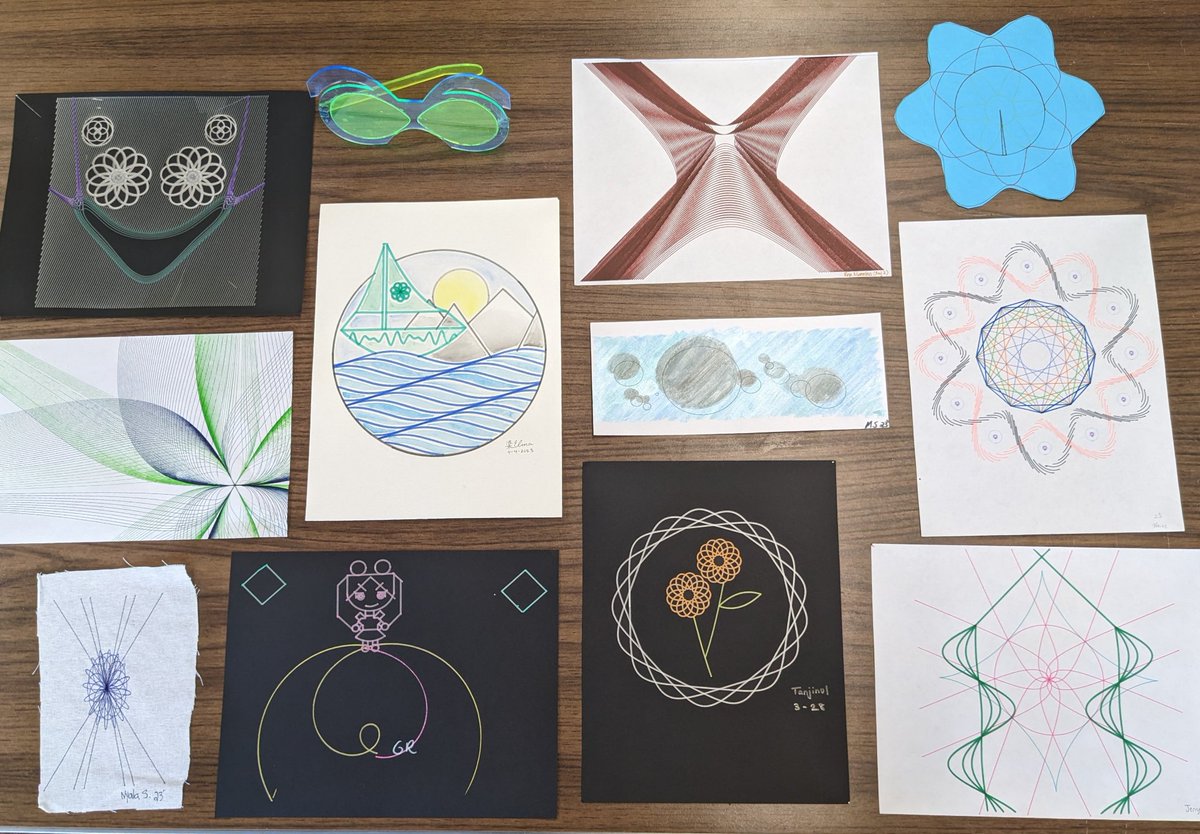
A semester of Mathematical Design, where non-math majors learn functions in Desmos and turn them into art on AxiDraw pen plotters.
An article on teaching 3D design and 3D printing in the classroom, with a case study and an appendix of Mathematica design techniques.
Exploring the optimal packing of 16 tetrahedra, and cleaning up the model in Mathematica to reveal its interior structure.
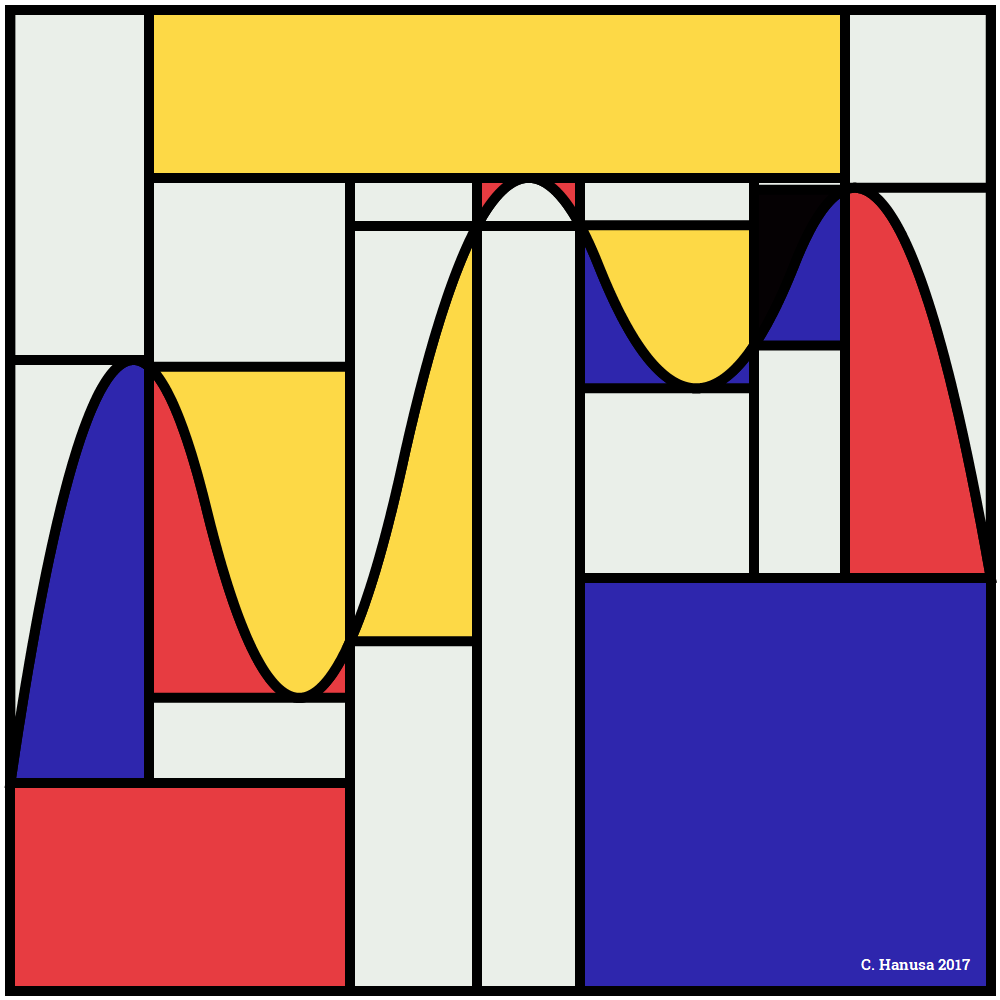
A look back at Riemondrian, a mashup of Riemann sums and Mondrian, and the student work, jewelry, and prints it has inspired.
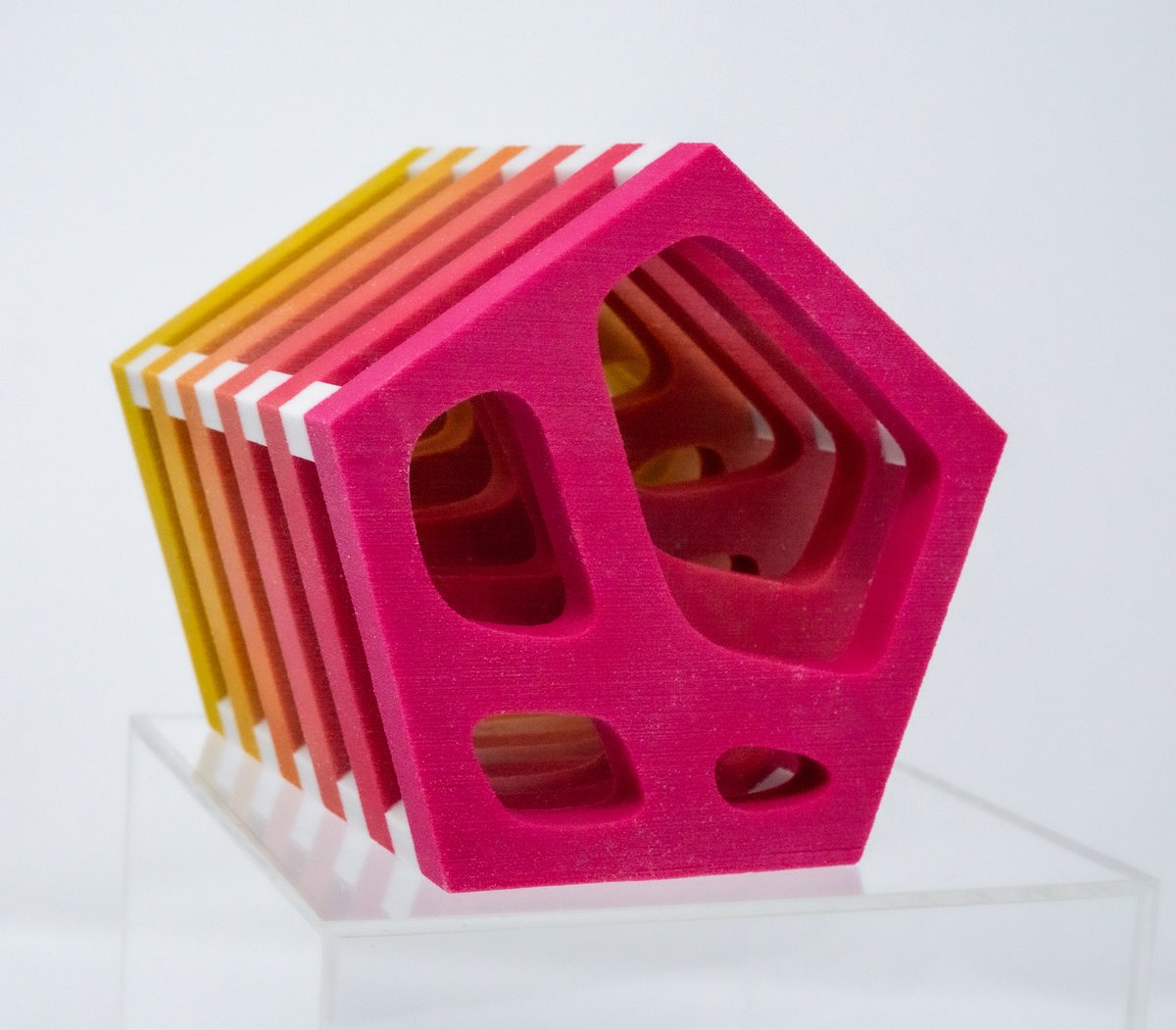
My solo show at Gallery 1064, featuring three collections of 3D-printed sculptures: Riemannscapes, Window Evolution, and Streamlines.
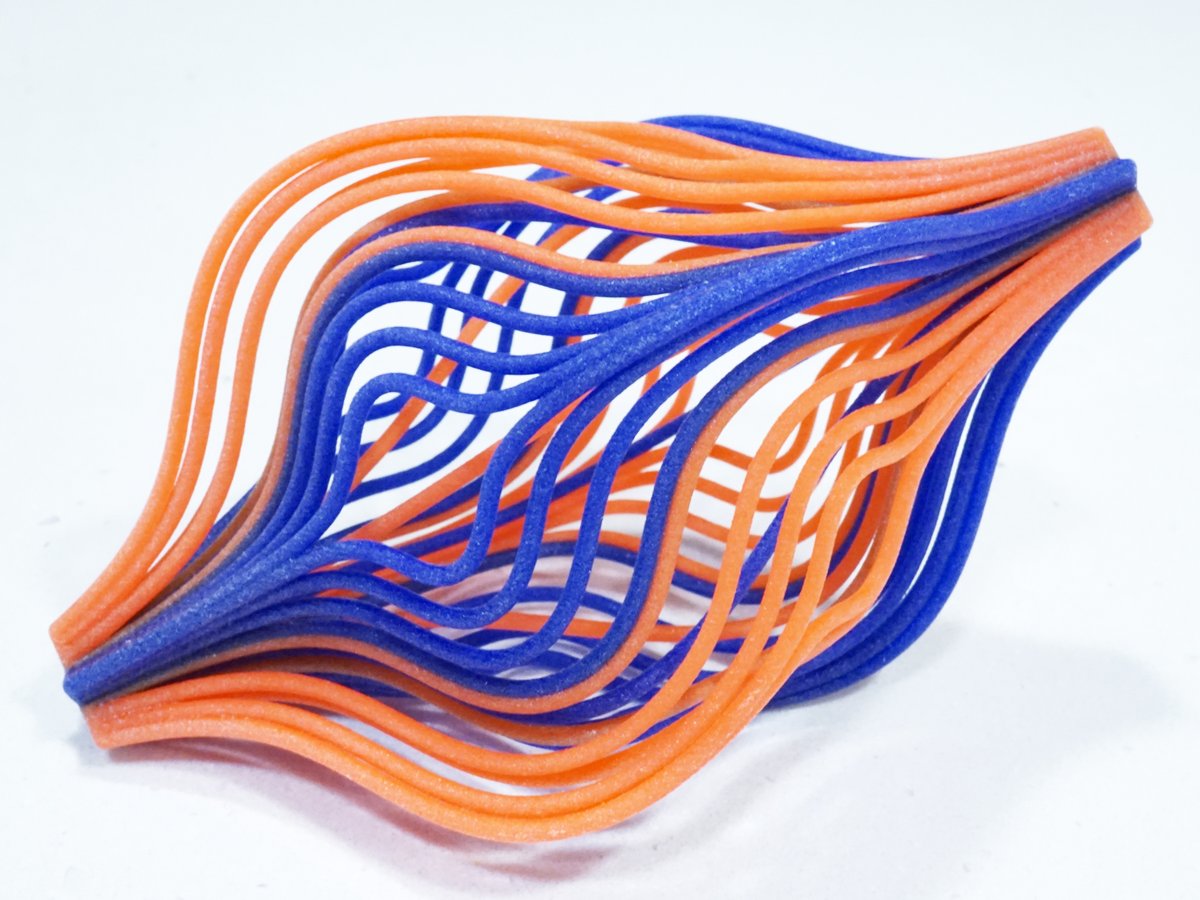
My 3D-printed Streamlines sculptures, which trace the paths of particles through vector fields, at the JMM 2022 art exhibition.
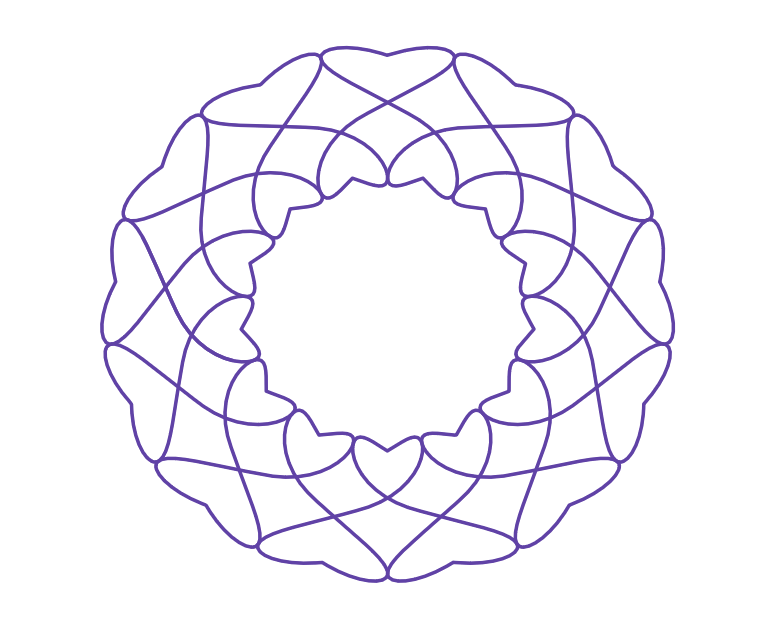
How to wrap a parametric curve around a circle in Desmos, by shifting it up and applying a polar transformation.
Planning a Mathematical Design course for non-majors, with Desmos projects, tutorial videos, and an AxiDraw pen plotter.
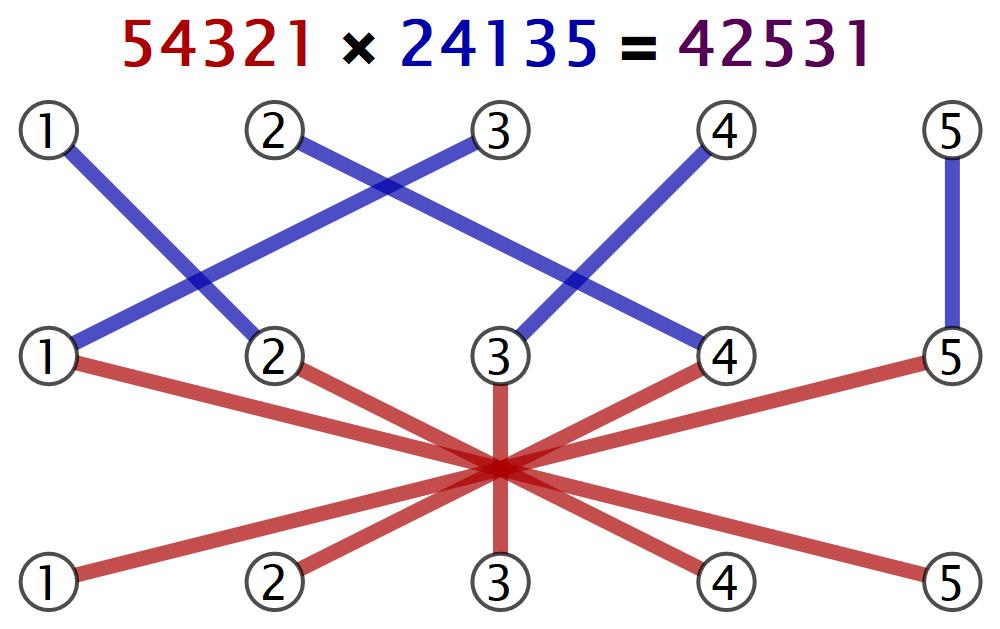
A discussion of how to visually multiply permutations using string diagrams.
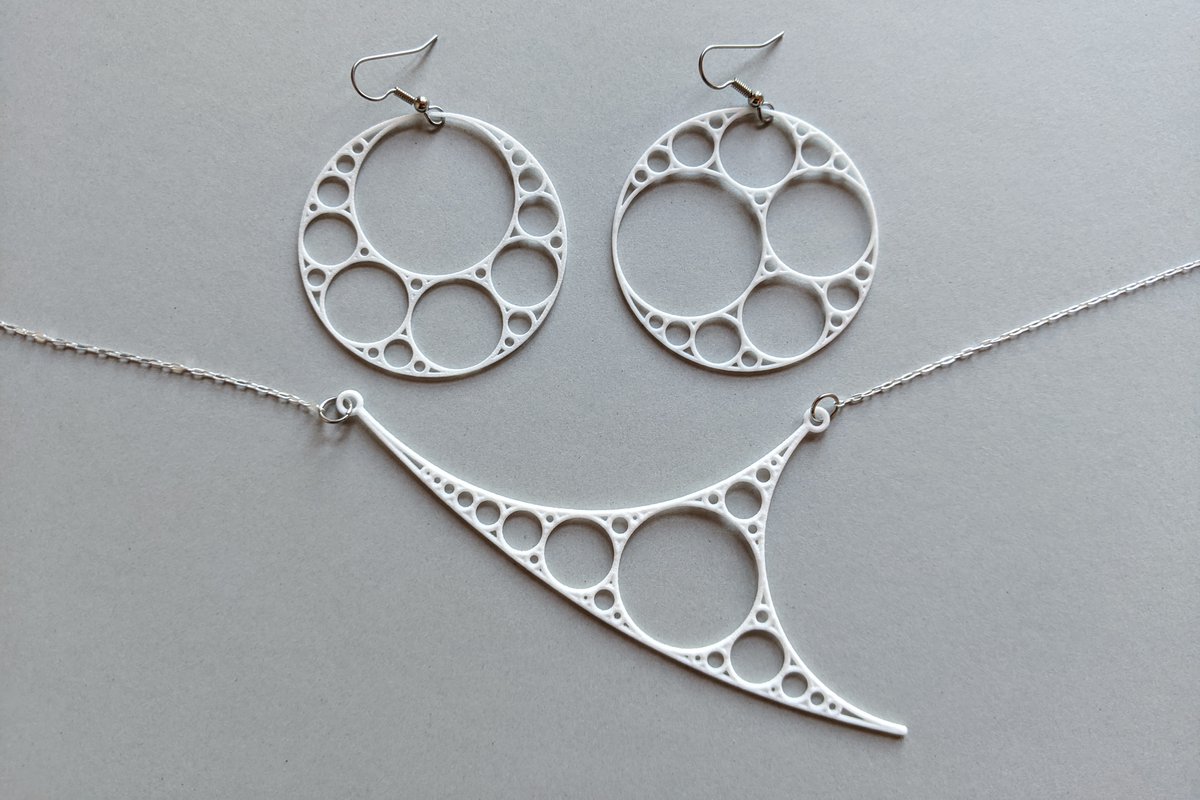
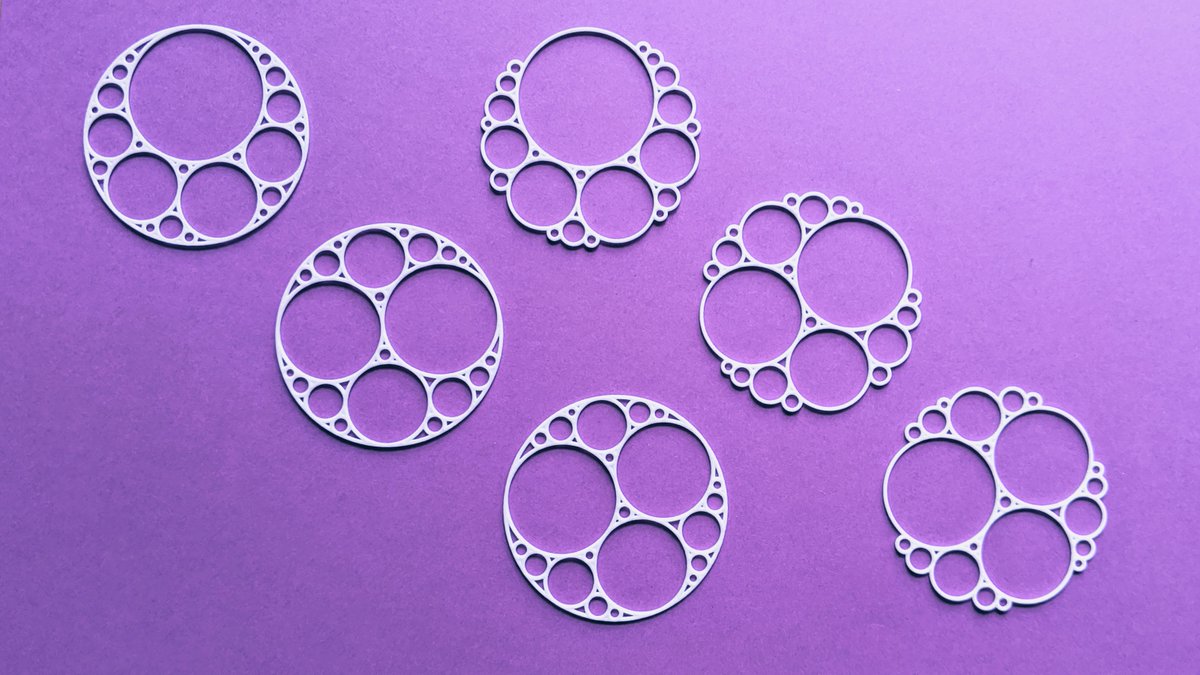
The favorite Apollonian earring designs from the Twitter polls, plus a matching Apollonian necklace.
Coding Apollonian circle packings into 3D-printed earrings, and asking Twitter to vote on the final design.
A reply to Annie Perkins’s golden spiral math art challenge, and a first hint of the Apollonian jewelry to come.
Counting juggling sequences turns out to be the same as counting the ways to break a weight of a Lie algebra into positive roots.
Asking students to praise two favorite projects by their classmates, and why forwarding that praise is a win for everyone.
Receiving a 2019 Wolfram Innovator Award for using Mathematica in teaching, 3D design and jewelry, and mathematical art.
An idea for a five-minute programming challenge at the front of class, and a question about how to make it welcoming rather than intimidating.
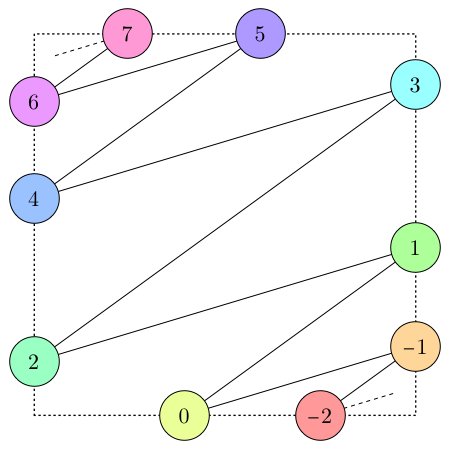
A new version of billiards where the ball bounces by alternating between two fixed directions, from my research on placements of chess pieces.
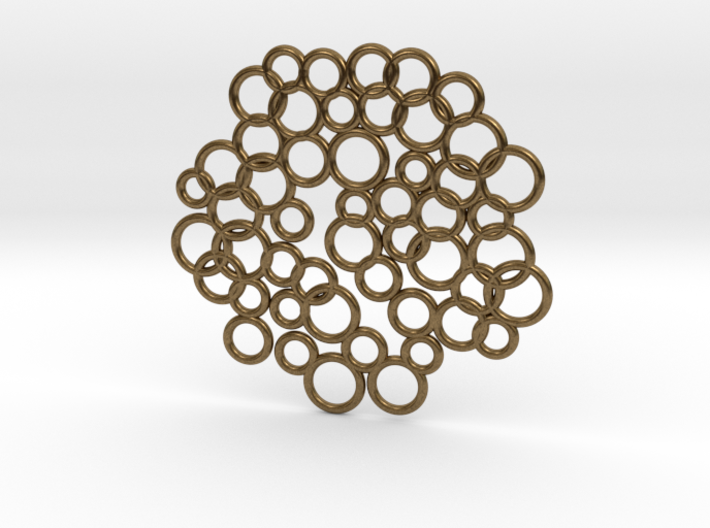
Happy July everyone. This month I’ll share a bit of Mathematica code that has helped me to add some ordered randomness to my art and jewelry. And…
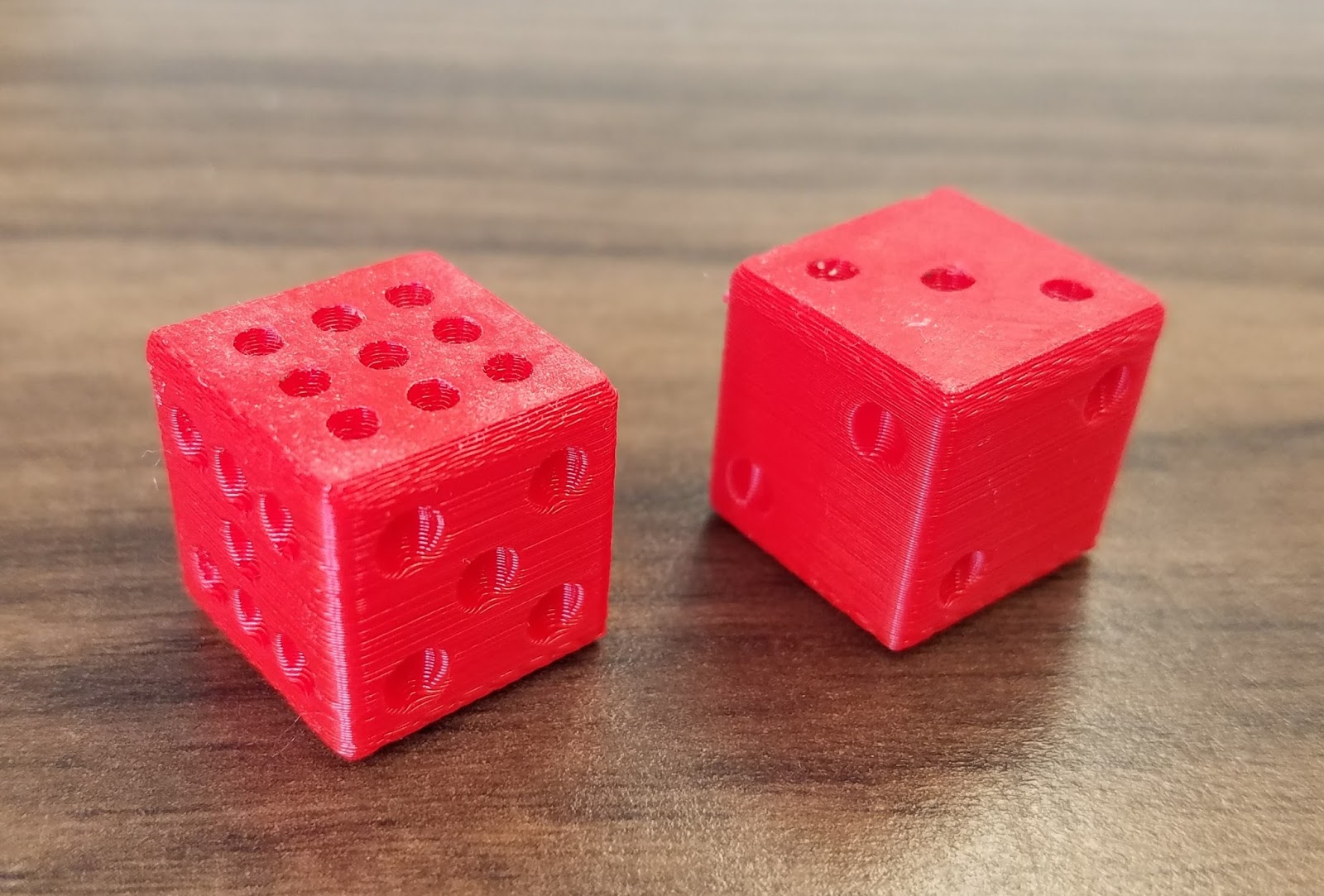
Today we continue our series in 3D Design in Mathematica. I’ll teach you how to use the RegionPlot3D command to create custom dice. Let’s first start…
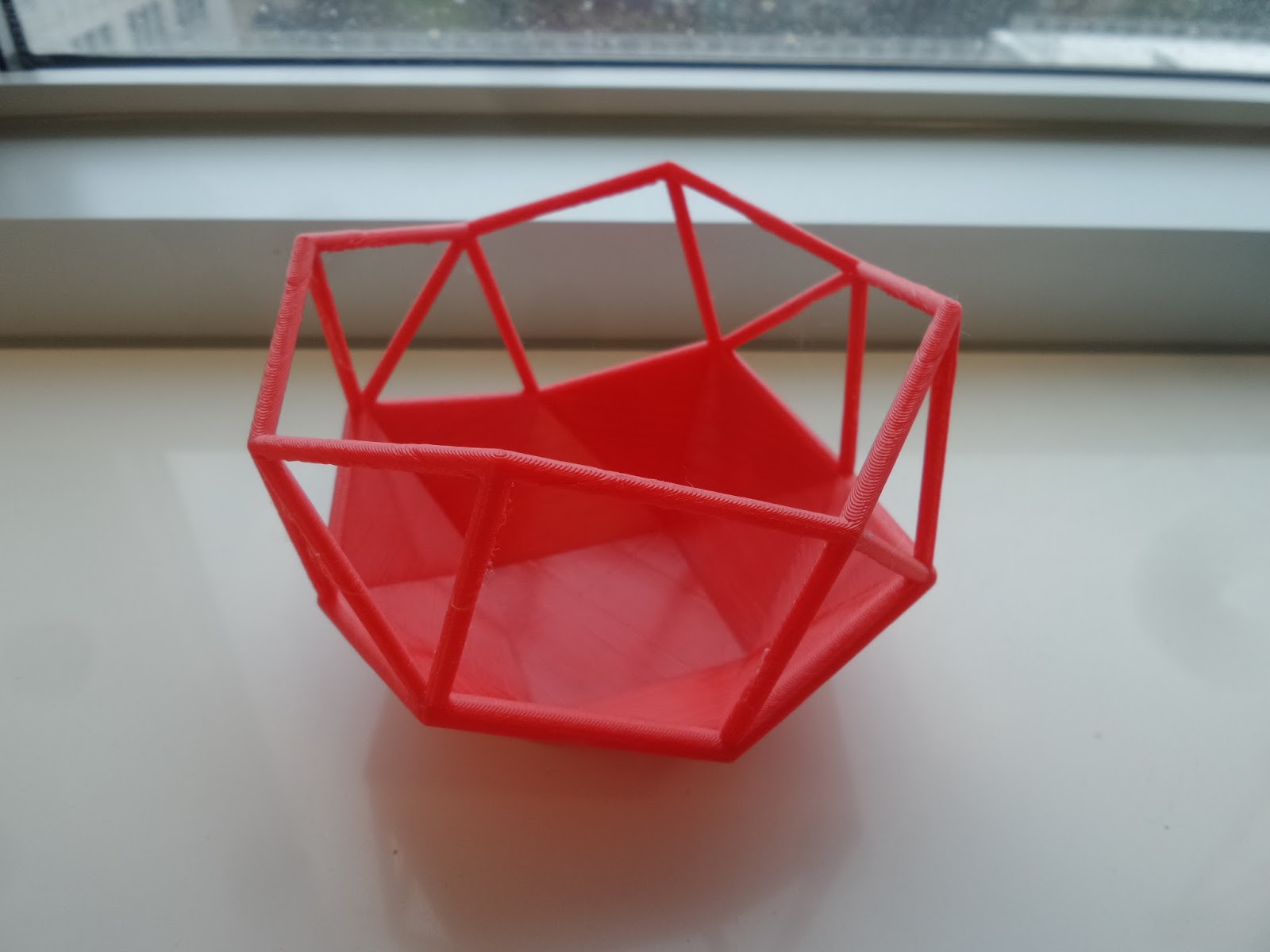
Hi everyone Welcome back to another 3D Design in Mathematica Tutorial. Last time I showed how to create a polyhedral terrarium . Today I will use…
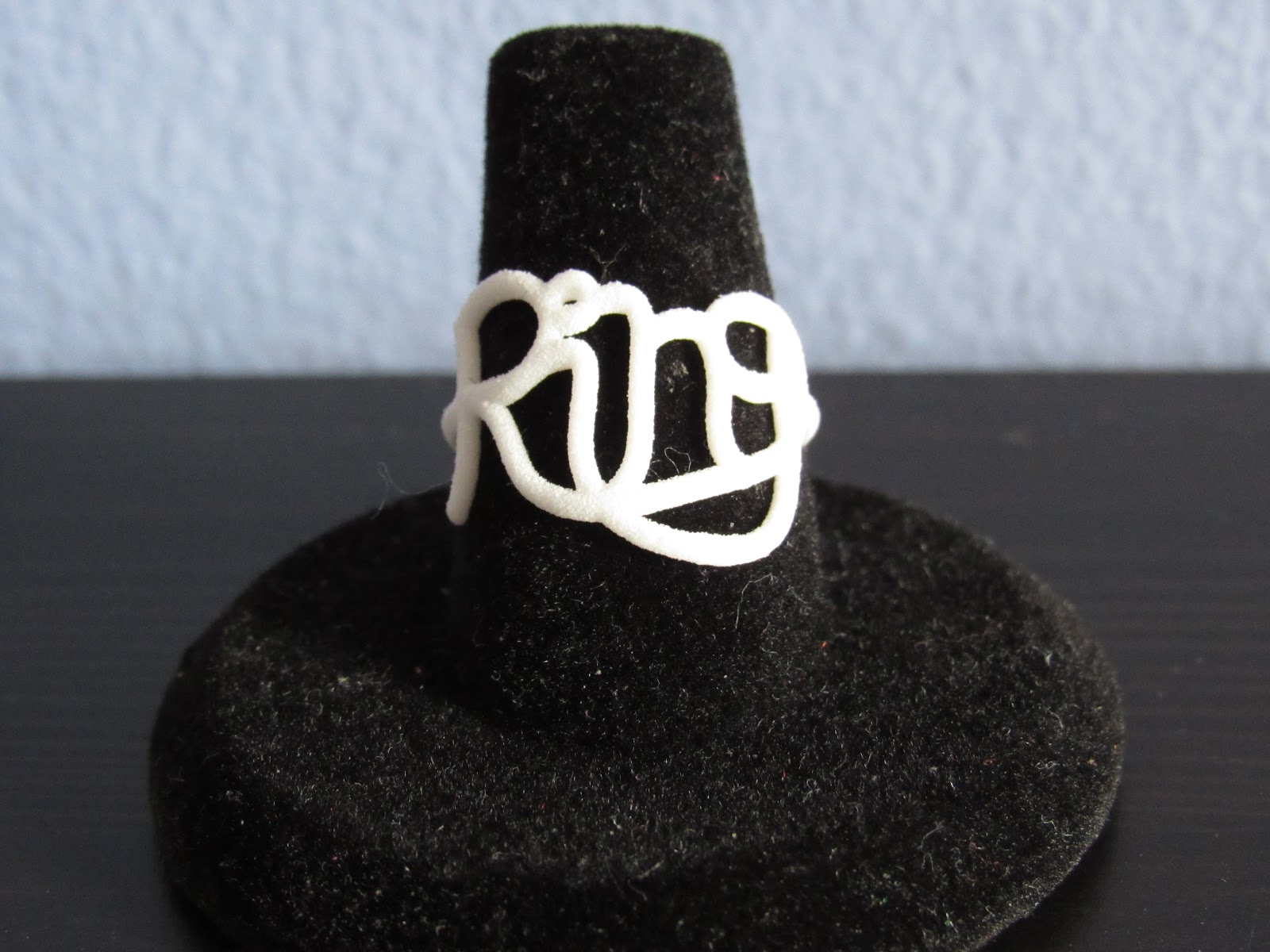
Today I continue my series of Mathematica Tutorials for 3D printing. Last time I showed how to create a custom-designed name ring . In this post I…
In this post I will be going through the techniques I use to create a name ring in Mathematica. Here is a ring I designed that is an ambigram of the…
We’re over halfway done with the semester and my Games and Puzzles class has been fascinating and rewarding in many…
Abstract: I discuss the rationale for changing the name of our lunch discussion group. Join us March…
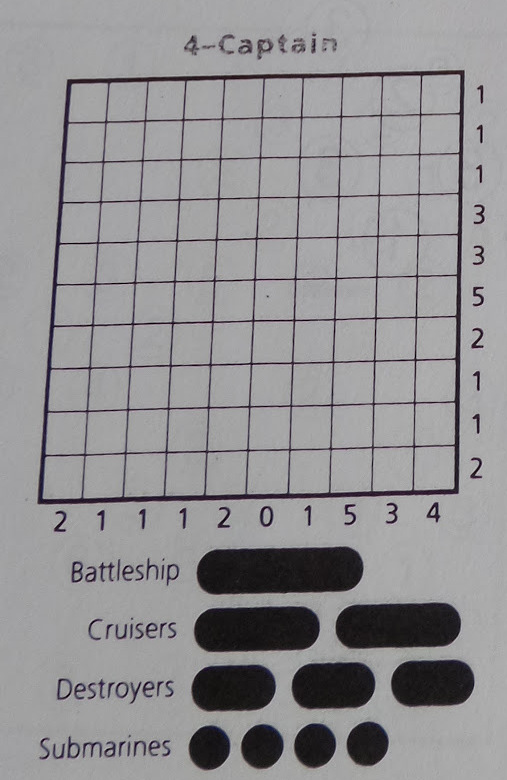
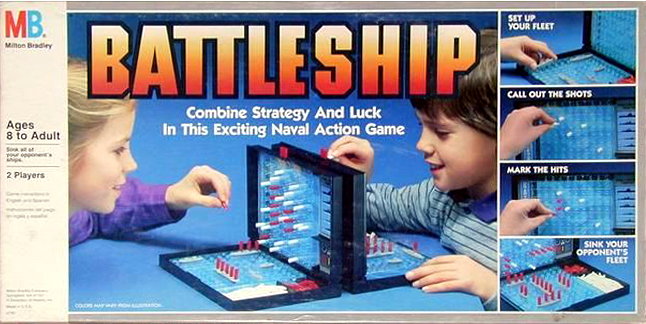
Abstract: In the first six days of my pencil puzzles class, my students have had to think deeply about solving and creating Battleships puzzles. This…
This semester I am teaching Math 555: Games and Puzzles for the first time. The class does not serve as a prerequisite for any other class and it…
Abstract: Creative writing gives students a chance to experience a topic in a new way and lets students try on an alternate persona. Also, I muse…
Abstract: We highlight a few of the innovative teaching techniques that were presented in October’s Experiential Learning…
Abstract: This post is a quick introduction to our college’s experiential learning group. What is experiential learning? What happens in a group…
Abstract: In Fall 2014, I recorded podcasts with my Combinatorics students and they are now ready for consumption. You can read descriptions of the…
Abstract: Mathematica has amazing capabilities, and my students have started to harness its power to investigate and create…
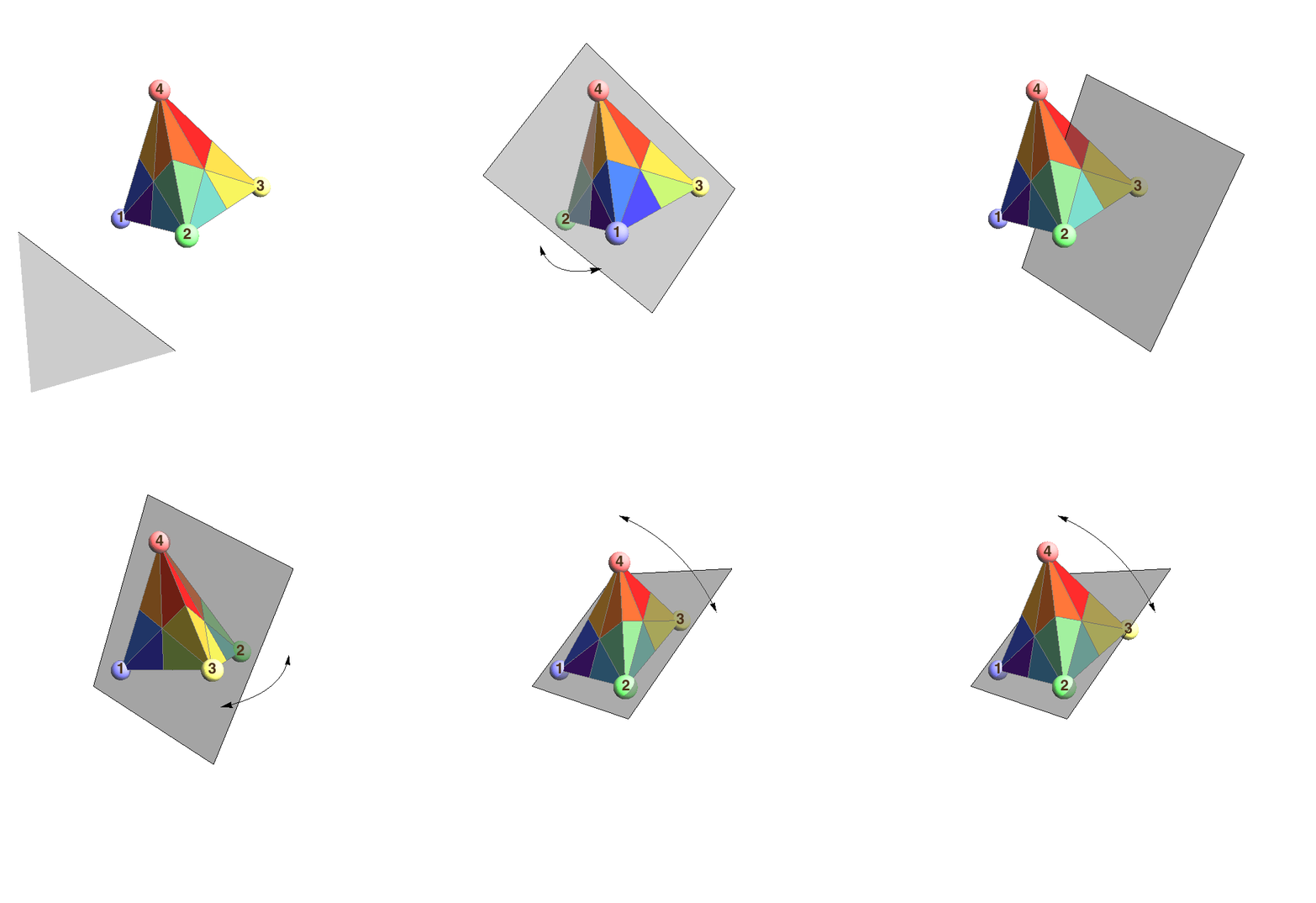
In a recent Google+ post , I shared an animation that sliced a tetrahedron along the six planes of symmetry and casually mentioned that the 24…
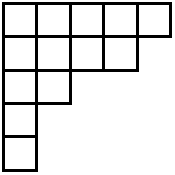
In this post I hope to share insights into an article that Brant Jones , +Drew Armstrong , and I wrote up this year and submitted for publication at…
An important part of being a researcher is conveying what you learn to others. The way mathematicians convey their results to colleagues is to write…